Unifying the Ad-Buying Experience
Unifying direct, programmatic, and private marketplace buying into a single advertiser workflow
One Advertiser, Three Separate Buying Platforms
Tremor Video's demand-side platform (DSP) is a core ad-tech product that lets advertisers plan, buy, and optimize their video ad campaigns. The catch: advertisers ran direct buys, programmatic inventory, and private marketplace deals through separate workflows. Understanding how a single campaign was actually performing meant stitching the picture back together across multiple systems — slow and error-prone for the internal ad-ops teams and self-service advertisers alike.
I drove the redesign to bring those separate buying models into one platform, for both managed and self-service buying. The goal was a single DSP where an advertiser could run every kind of buy — insertion orders (IO), programmatic, and private marketplace (PMP) deals — in one workflow, instead of moving between disconnected tools.
(Tremor Video was later rebranded as Nexxen.)
Buying models the platform had to unify
One platform for every way an advertiser buys — direct, programmatic, and private marketplace — in a single workflow.
My Role
Research & insights
User research sat at the core of the process. I ran contextual inquiries, user interviews, and usability testing to understand pain points, uncover insights, and validate design decisions.
Wireframes & visual design
I created detailed wireframes, visual designs, and interaction models — intuitive, scalable, and focused on usability and product adoption.
Prototyping & user testing
I built interactive prototypes, tested them with real advertisers, and iterated on key features so the final solution met both user needs and business objectives.
Research: Contextual Inquiry
I ran contextual inquiry as the primary method — observing ad-ops in their own environment as they set up and monitored real campaigns, which surfaced friction a standard interview or survey would miss. Questions like “What tools do you switch between to complete a task?” mapped exactly how the work flowed across systems, and where it broke down.
Contextual-inquiry guide: common-workflow questions
Synthesizing Insights: Affinity Diagramming
I synthesized the findings with an affinity diagram, clustering the interview notes into themes. Six surfaced as the most pressing:
Speed · Usability · Clarity & Awareness · Bugs · Visibility · Findability.
But the real finding wasn't the list — it was what sat underneath it. To understand how one campaign was performing, advertisers were reconstructing it by hand, pulling pieces from the separate systems that ran their direct, programmatic, and PMP buys. Speed, Visibility, Findability, and Clarity all traced back to the same place. The problem wasn't usability. It was that the buying models lived in separate platforms — so the fix was never polishing a single console. It was giving advertisers one place to see and run all of it.
Affinity diagram: interview notes clustered into pain points
Defining the Buying Ecosystem
Before designing a single screen, I mapped how the whole system fit together — the relationships between campaigns, placements, inventory, PMP deals, forecasting, and reporting. That domain model, alongside a full DSP sitemap, became the foundation for the redesign: it's what let one platform support several different buying models without splintering into separate products. Getting the structure right first is what made a genuinely unified workflow possible, instead of just bolting the old consoles together.
DSP sitemap: the full platform structure
Iterative Design & Testing
From there it was a rigorous loop of requirement gathering, wireframing, and user testing. I drove the design from initial concepts through to final execution, working closely with stakeholders to keep it aligned with both business and user needs.
Each iteration — wireframe, advertiser testing, refinement — brought the platform closer to a streamlined, effective design. The final direction was implemented, improving the advertiser experience and the overall usability of the platform.
Final Design
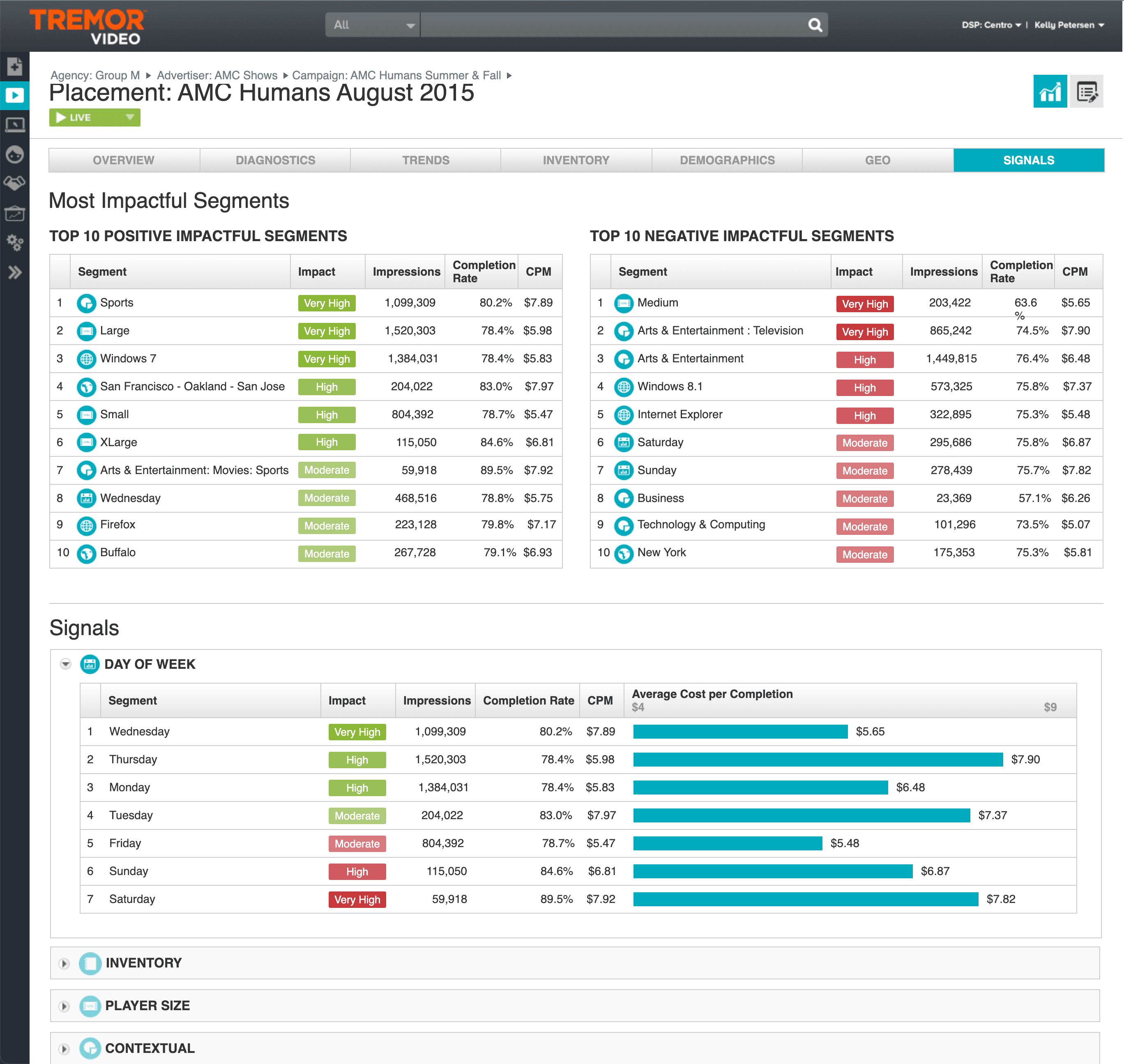
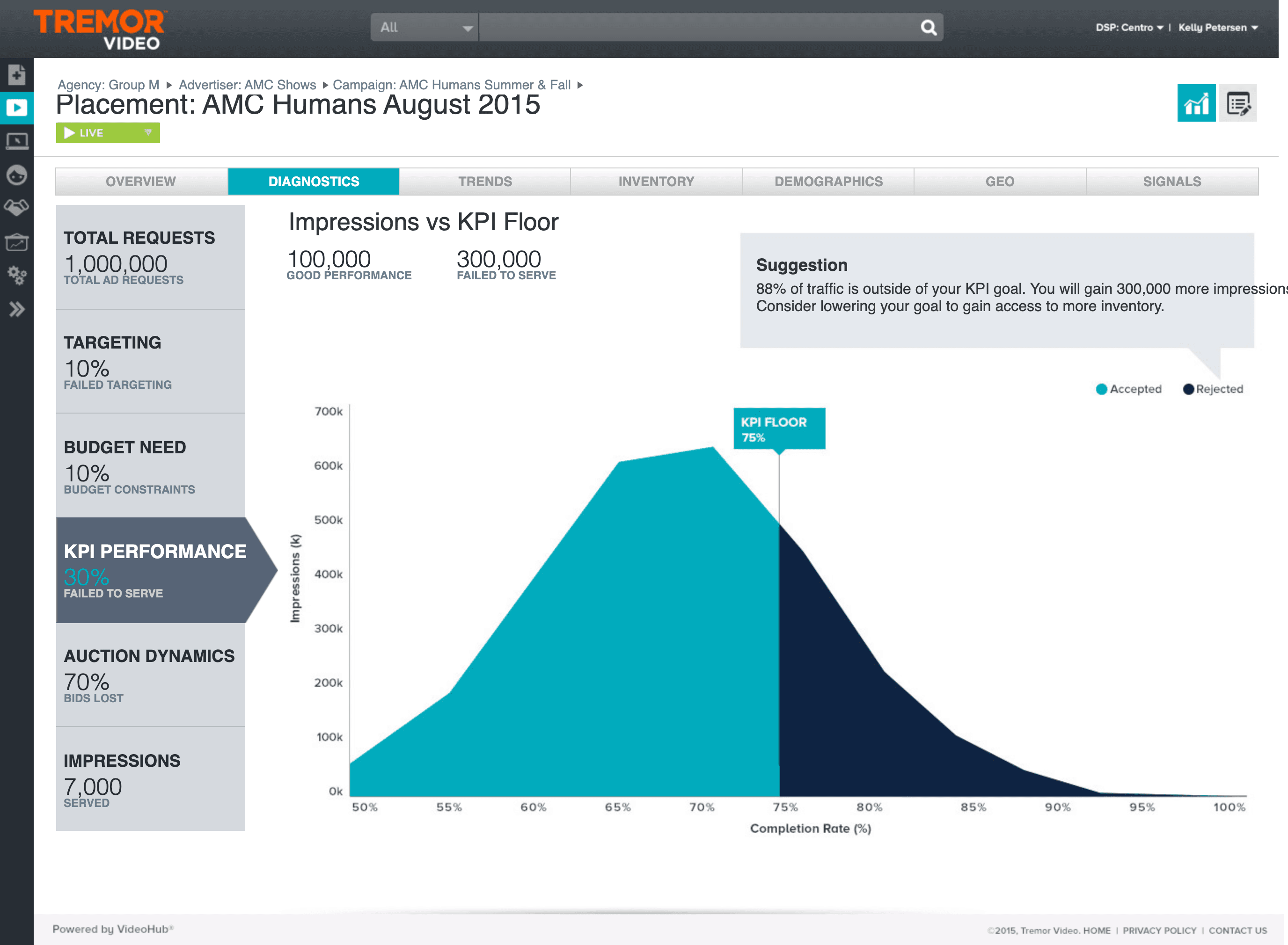
Outcome
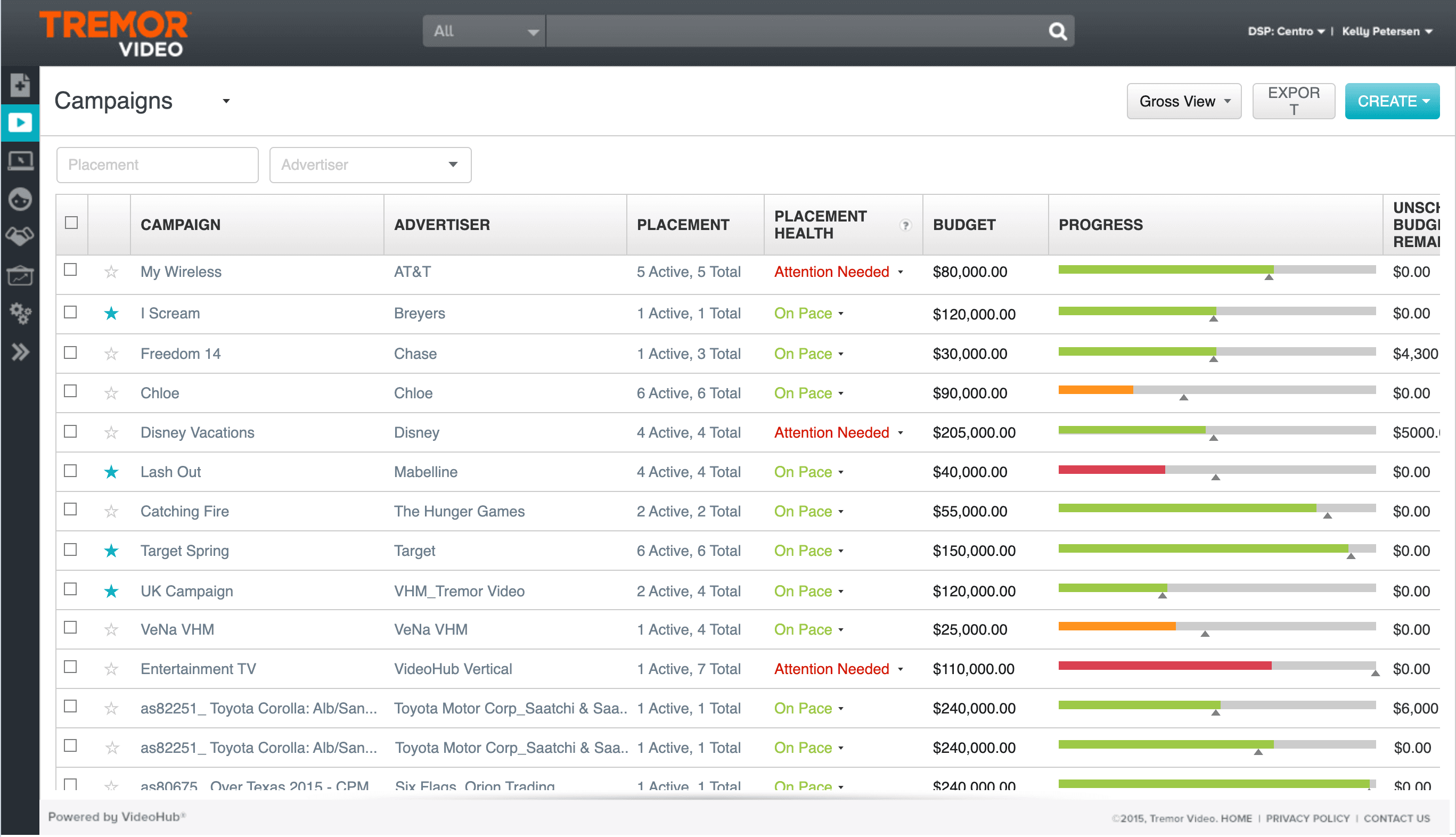
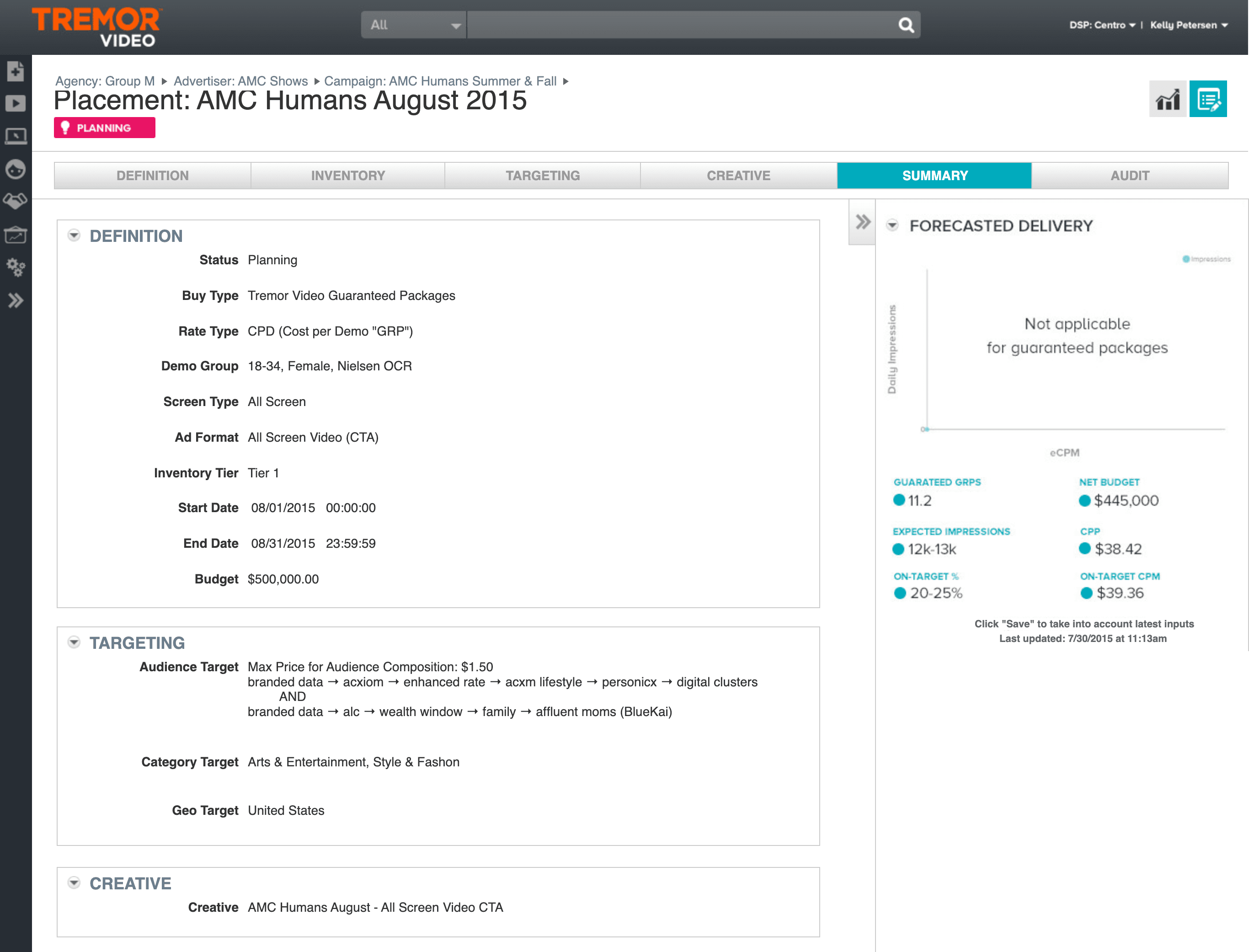
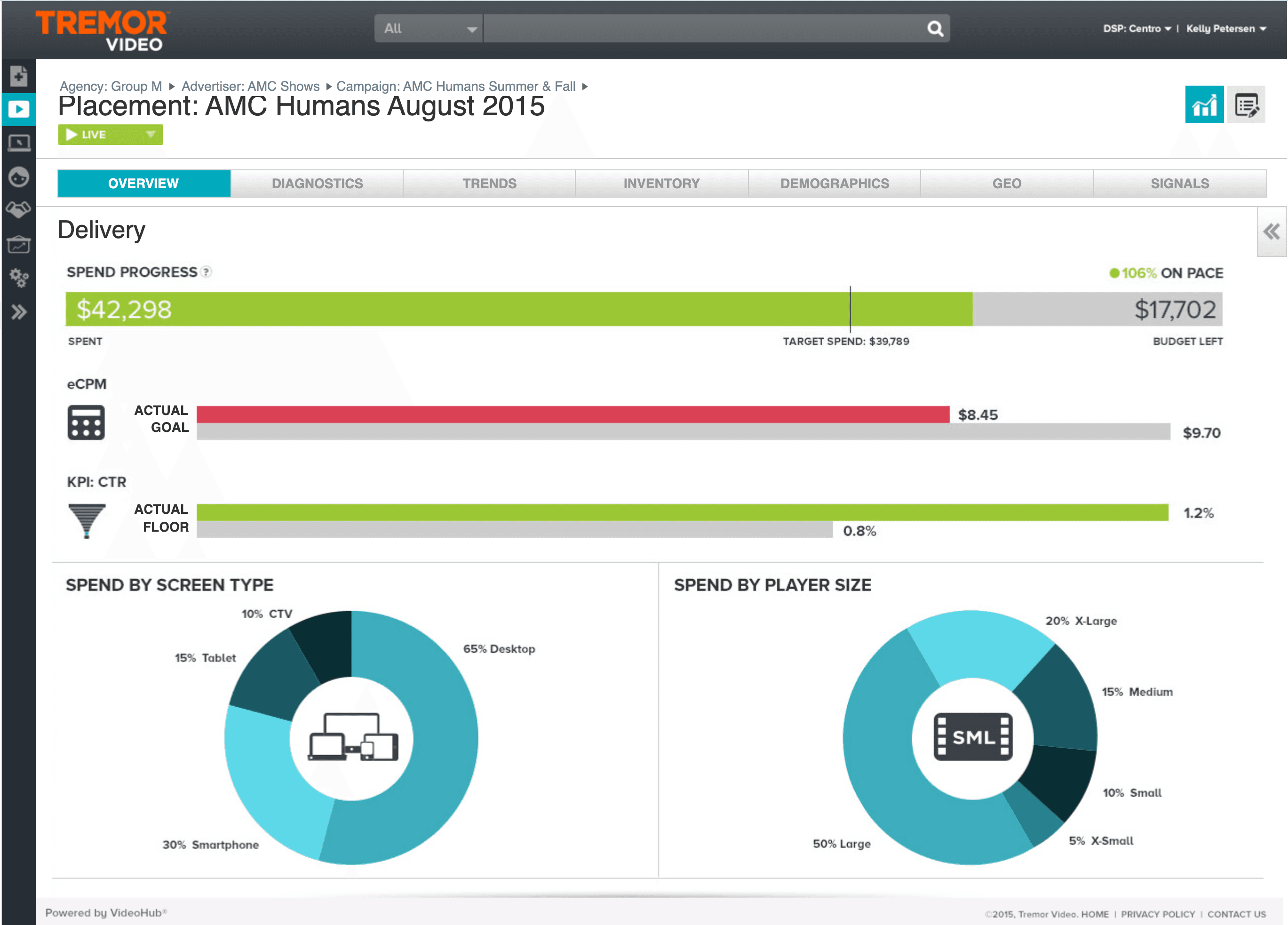
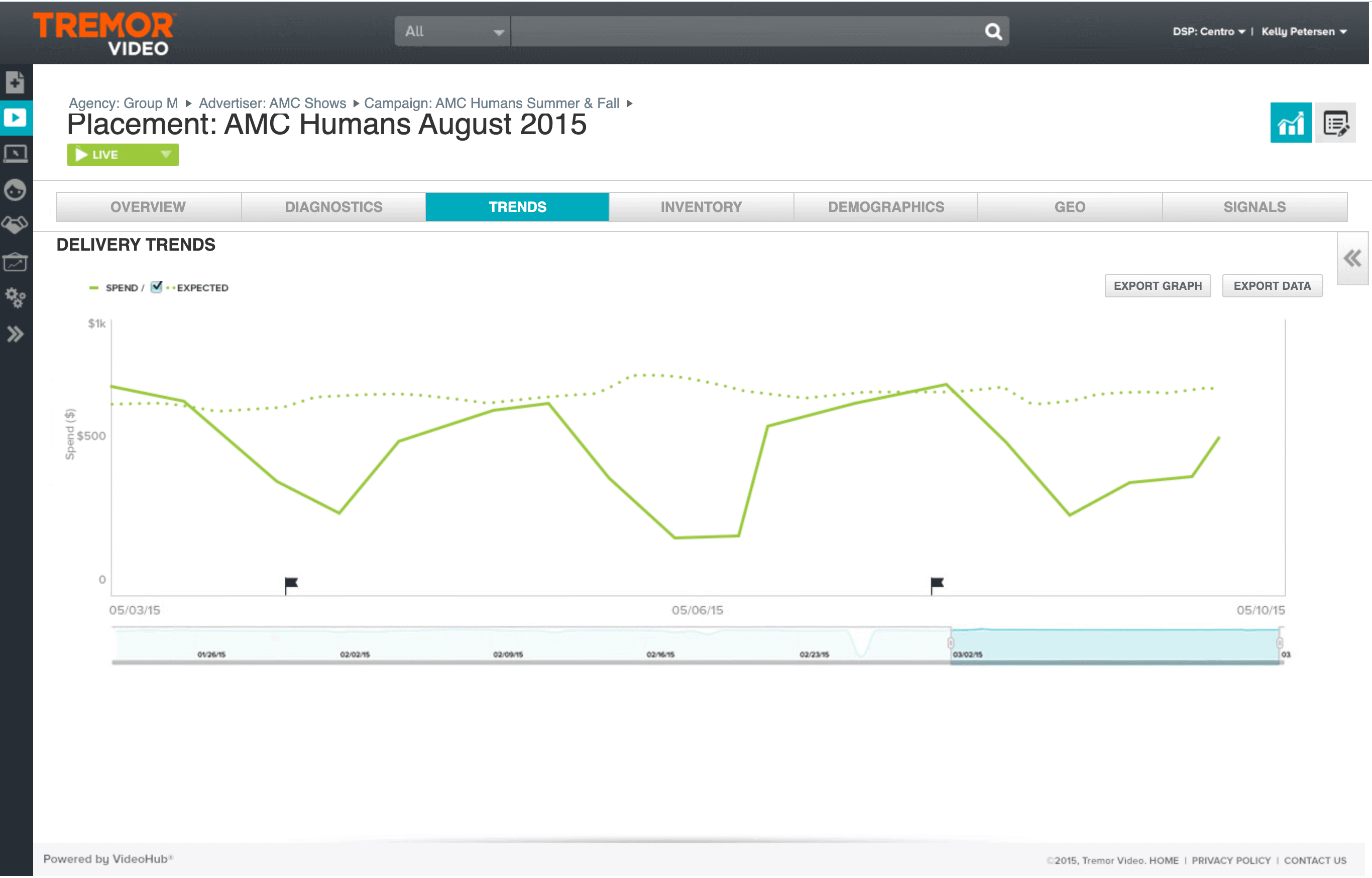
The redesign shipped and went live with advertisers. The fragmented consoles became a single DSP where an advertiser could plan, buy, and optimize across direct (IO), programmatic, and private marketplace deals in one workflow — with a built-in forecasting tool to project delivery before committing spend. For the first time, advertisers could see all of their buys in one place, instead of stitching them together across separate platforms.
I validated the direction by putting prototypes in front of real advertisers throughout the process. The response was positive, and that feedback shaped the final design before it launched.
Outcome at a glance
Status
Shipped
Launched live to advertisers
Buying
Unified
Direct (IO), programmatic, and PMP in one workflow
Visibility
Cross-channel
Campaign performance across every buy type, in one view
Validation
Tested
Prototyped with real advertisers; positive response
Looking Back
This project dates back to 2014, early in my career, but it set a pattern I've repeated ever since: solving platform problems by aligning workflows, information architecture, and the underlying business model into one coherent experience. The same shape — fragmented systems, disconnected workflows, competing user needs — showed up again nearly a decade later at Meta, and I reached for the same instinct: find the structural problem underneath the surface one, then design the system that resolves it.